



Aeramine's rare earth recycling innovation poised for pilot production
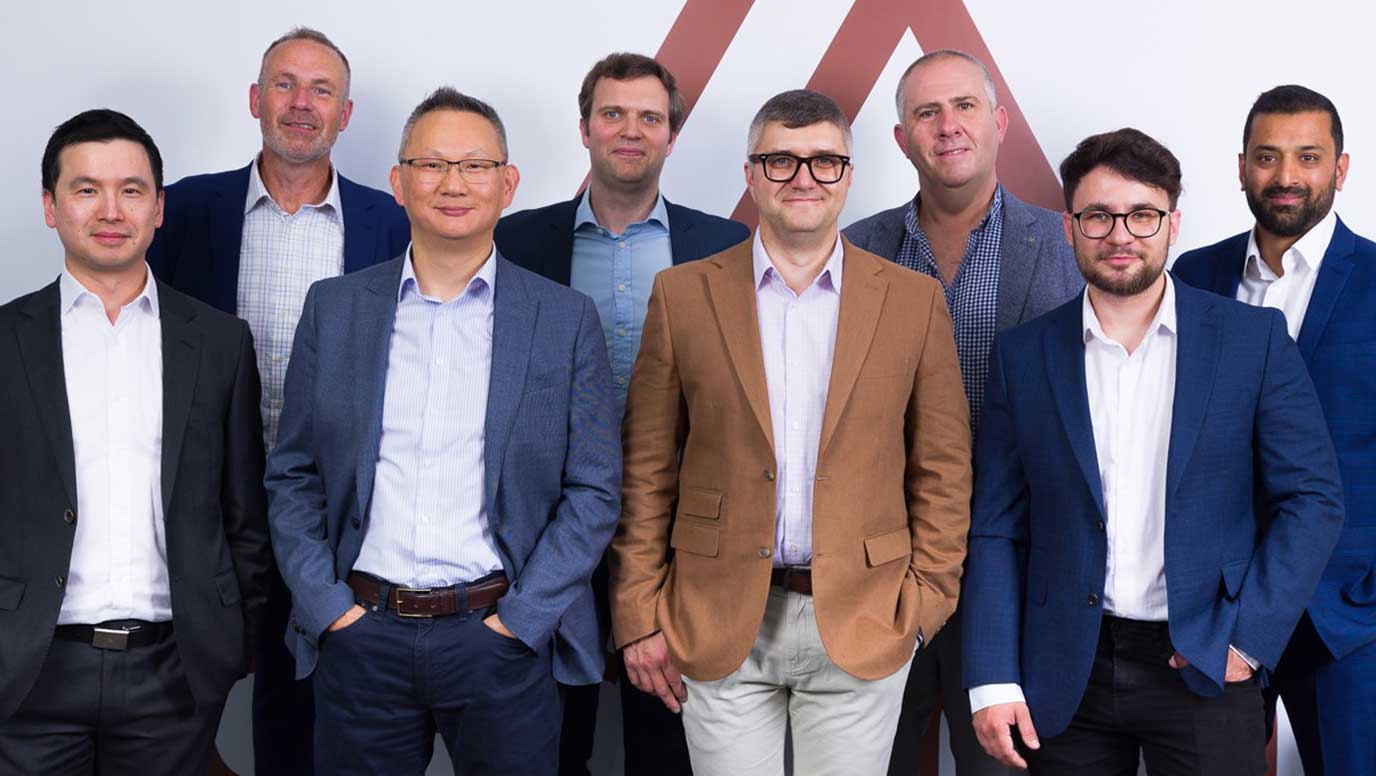
Soon to emerge from stealth, the company plans to produce certified materials and start pilot production before the American Physical Society (APS) Global Physics Summit at the Colorado Convention Centre in Denver, March 15-20.
Aeramine co-founder Alex Lapis said: “It’s a vital opportunity to showcase our unique and highly advanced technology, which involves developing proprietary equipment to refine secondary-grade copper and rare earth metals more efficiently.
“Our exceptional approach to metallurgy, the distinctiveness of our technology, and low energy consumption clearly set us apart from traditional recycling methods – especially considering most countries don’t even recycle their precious metals at all. As a result, most have to import pure metals at high costs and rely on countries like China."
The company’s second funding round aims to support commercialisation and further establish itself and the UK as leaders in critical mineral recycling. It plans to raise a total of £2 million from the private sector through successive funding rounds to generate £18m in revenue by 2028.
Aeramine continues to integrate complex and proprietary components to demonstrate, with high fidelity, that a large-scale commercial facility can comfortably be operated to support the venture's commercial progress.
To strengthen its senior management team and operational efficiency, Aeramine expects to soon announce the appointment of an experienced chair, and continues to seek similarly experienced non-executive directors to support its founding team and technical advisers.
Lapis stresses the urgent need for localised copper waste recycling, as many countries currently export their waste and then need to import pure copper. He notes that peak copper demand is driven by sectors such as vehicle electrification and AI data centres. At the same time, supply issues are worsened by declining ore grades and a lengthy mining approval process. Recent surges in copper prices reflect a tight market and supply bottlenecks.
Co-founder Raymond Lam adds: “We have already identified customers and received initial interest from several, including one in the US that requires ultra-high-grade copper materials for the nuclear fusion industry and is interested in Aeramine’s ability to meet its strict technical standards. We aim to produce certified materials by mid-March when we can then begin to secure letters of intent and orders from customers.”
The three co-founders, Raymond Lam, Alex Lapis, and George Seplyarsky have personally invested nearly £500,000 into the company through cash and equipment, demonstrating their commitment.
Aeramine has already achieved significant progress in sustainable copper recycling by incorporating artificial intelligence into its proprietary furnace technology. This crucial advancement gathers detailed process data to develop AI algorithms that optimise refining procedures, moving towards future autonomous operations.
Supported by the UK government, Aeramine completed a £1 million Innovate UK project, Pure CuRE, in collaboration with partners including the Manufacturing Technology Centre. The company is actively seeking further grants from the Catapult network and the Advanced Propulsion Centre due to the importance of copper for the automotive and transport sectors.
Global demand for efficient recycling solutions is increasing rapidly, making Aeramine's innovations well-timed. Copper prices recently hit a record high of over $14,500 per tonne due to rising demand from China and market speculation.
A 2024 study by professors at the University of Michigan and Cornell University, sponsored by the International Energy Forum, previously highlighted concerns over copper availability for electric vehicle transitions, stating that current mining capacities may not suffice to meet this growing demand, emphasising the need to develop new mines each year.
As electric vehicles need three to five times more copper than traditional internal combustion engine vehicles, the demand for copper will soon surpass what can be mined. The lengthy process of discovering and permitting new mines—taking around 20 years—further complicates matters and casts doubt on whether future copper supplies for renewable energy can be sufficient.
As reported by the FT, which regularly covers the subject, ‘demand for copper is being boosted by the construction of grid infrastructure for the green transition and to power data centres for artificial intelligence.’
A recent UK policy document ‘Vision 2035: Critical Minerals Strategy’ also highlights copper as a crucial mineral, vital for the UK's growth sectors. The Department for Business and Trade forecasts a sharp rise in copper demand, doubling to 3,619,000 tonnes by 2035.
Copper is recognised as a vital metal for growth due to its importance in advanced manufacturing, clean energy applications, and other technologies, says the paper.
“The UK is exploring ways to secure its supply, including leveraging the National Wealth Fund to support copper projects across the value chain. The UK is also exploring international growth partnerships to secure copper supply, focusing on collaboration with resource-rich countries and leveraging its expertise in mining finance, standards, and commodity trading.”