


AnthroTek's silicone rats could cut needless animal testing in labs
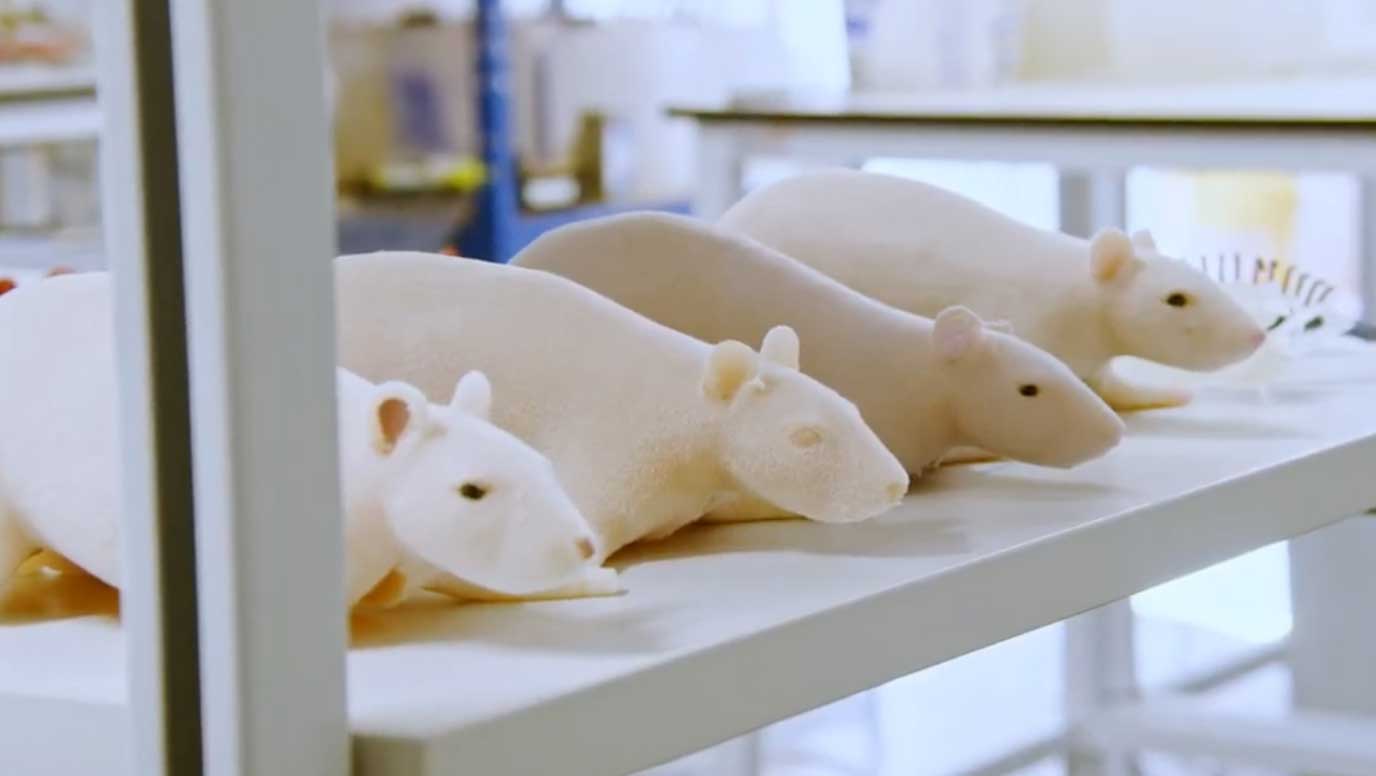
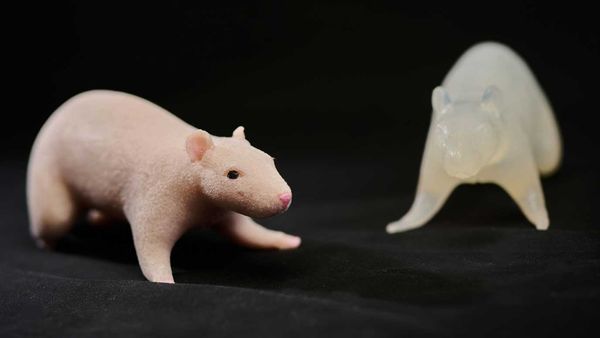
AnthroTek has reproduced key anatomical structures to make the rodent models look and feel realistic. The aim is to enable researchers and students to practise handling and routine techniques on high-fidelity models before moving to supervised live work – reducing needless animal use for training and improving procedural consistency.
The rat models are just the start for AnthroTek, which will assess results from their use before moving on to other creature models.
Currently millions of laboratory animals including mice, rats, zebrafish, birds, guinea pigs, rabbits, hamsters, frogs, pigs, sheep, dogs, cats and monkeys, are used to test new drugs and other medicines.Their numbers often aren't fully reported in places like the US but the practise generally causes widespread public concern.
AnthroTek, which was a winner in September's 35th Anniversary Business Weekly Awards, followed up with a 'Who gives a Rat?' teaser advert in this medium following its success and has now revealed the fruits of the team's labours.
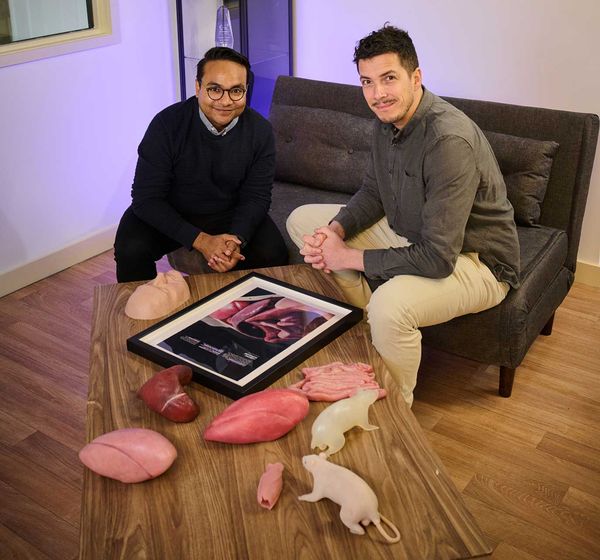
Nazmus Tareque, Chief Commercial Officer at AnthroTek, says: “This isn’t just about ideology. It’s about building tools that improve training quality while aligning with where regulation, ethics and public expectation are clearly heading.
“In laboratories and teaching facilities, the moment a new researcher first handles a live animal is still too often the moment they first learn a procedure. That reality sits uncomfortably with modern research culture: ethical scrutiny is rising, and institutions are under pressure to demonstrate competence, repeatability, and harm reduction, not just scientific intent.”
The need for change is substantial, he argues. In Great Britain, the Home Office reported 2.64 million regulated scientific procedures involving living animals in 2024. While longer-term trends have moved downward since the early 2000s, the scale remains large - and in earlier years, the figure stood higher (for example, 3.06 million procedures in 2021, with mice, fish, rats and birds accounting for the overwhelming majority.
AnthroTek’s models are designed to support the 3Rs – Replacement, Reduction and Refinement – widely adopted framework for minimising animal use and harm in science. By providing a realistic “first practice” platform, the company aim to reduce avoidable live-animal sessions used primarily for skills acquisition, shorten the learning curve and standardise training across cohorts.
Dr Raoul Peltier, CEO of AnthroTek, said: “Today’s training landscape often relies on low-fidelity props, generic mannequins, or purely digital simulations; useful for theory, but frequently insufficient for teaching the nuanced, hands-on skills that depend on anatomy and feel.
“Without tactile realism, competence can take longer to build, supervisors may need more live-animal time to reach proficiency, and outcomes become harder to standardise across trainees. Commencing this week, the company just launched a hyper-realistic silicone rat model, built to help researchers practise handling and common procedures before moving to supervised live work.
“Rats remain one of the most widely used laboratory animals for scientific procedures and skills training, so they were the logical place to begin. Rather than trying to launch a whole catalogue at once, we’re using the rat as a reference platform, a ‘baseline species’ that lets us validate performance, gather structured feedback from trainers and technicians, and identify where labs most urgently need high-fidelity alternatives.”

AnthroTek’s approach focuses on repeatable realism: physical models that can be used across sessions, shared across teams, and refined for different teaching objectives supporting universities, research labs and training providers seeking to modernise animal handling and procedural training in line with best practice.
The company is already known for hyper-realistic silicone systems across healthcare simulation and human-factors work. Its animal model programme extends that same materials science capability into research training where the ability to practise, assess and repeat a procedure without live animals can be an immediate welfare win and a practical improvement in training quality.
More about AnthroTek’s animal model work can be found online – visit www.anthrotek.com/animalmodel