




Axol Bioscience secures $2.8m funding
The investment was led by US life sciences specialist BroadOak Capital Partners, with the company’s founding investor, the Roslin Foundation, also participating. Axol develops and supplies high-quality functional iPSC-derived cells, reagents, and specialist services to pharmaceutical, biotech, CROs, and academic institutions worldwide.
Over the past year, the company says it has strengthened its relationships with global pharmaceutical partners and advanced its US market presence. The funding will accelerate Axol’s next phase of growth, supporting the expansion of its US operations and commercial presence.
It will also enable development of enhanced neuroscience, ophthalmology, and cardiovascular disease models, and cell manufacturing scale-up at its Roslin Innovation Centre base in Scotland, in response to increasing global customer demand for more human-relevant in vitro disease models.
Axol has recently established itself as a leader in provision of physiologically relevant iPSC-derived models for neurodegenerative disorders including Huntington’s disease and sporadic amyotrophic lateral sclerosis (ALS/MND), addressing significant unmet needs in neurodegenerative disease research.
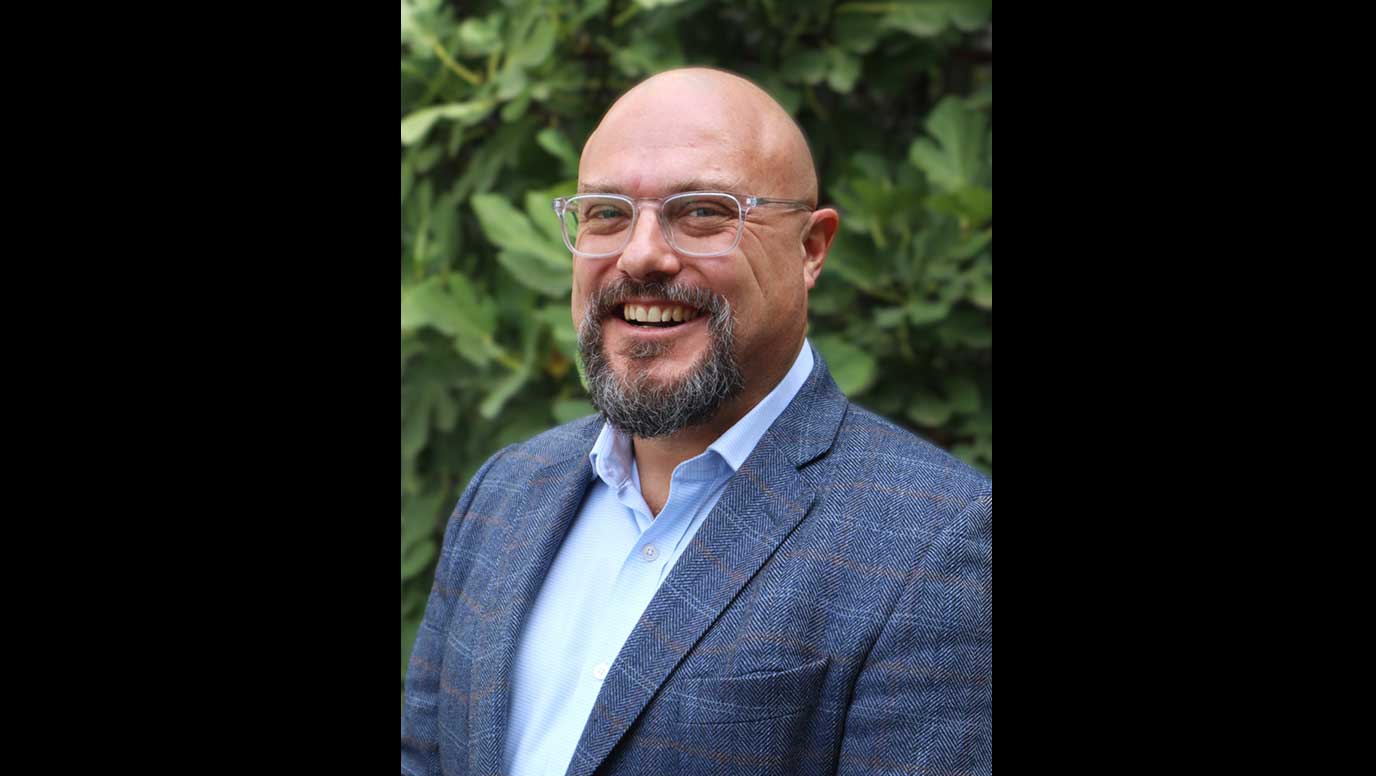
CEO Liam Taylor said: “We’re proud to partner with BroadOak, a global leader in life sciences investing. Their expertise and support, alongside our long-term partner Roslin Foundation, reflects confidence in our long-term vision, team, products, and technology as we scale operations and expand internationally.”
Oliver Richardson, CFO of Axol Bioscience, added: “Following Axol’s 45 per cent revenue growth in 2025 and 36 per cent in 2024, this funding allows us to strengthen our US operations and expand manufacturing capacity at our Edinburgh site, ensuring we can continue to meet increasing global demand.”