




Microsoft backs Cambridge study warning against over-reliance on AI in class
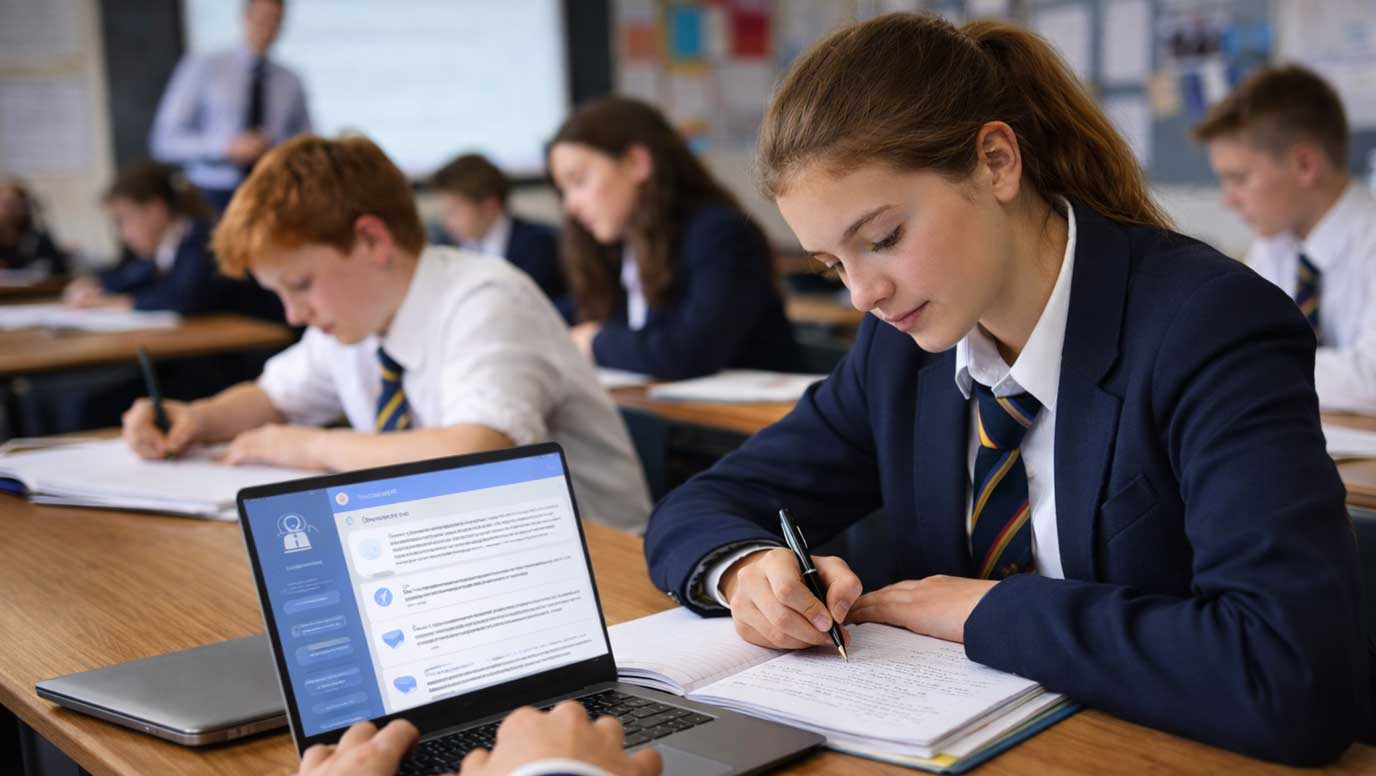
The research shows that pupils who actively engage with material — listening, processing information and writing notes — demonstrate better understanding and retention than those who depend primarily on AI-generated summaries. The findings add to growing concern that convenience-led uses of AI risk weakening core cognitive skills if not carefully managed.
As AI tools become increasingly common in UK schools, the study highlights the need for caution. While technology can assist with organisation, revision and exploration, the evidence suggests learning is most effective when students remain directly involved in making sense of information, rather than outsourcing that process.
The findings are particularly relevant at a time when schools are under pressure to modernise rapidly. Education specialists have warned that without clear frameworks, AI adoption may prioritise speed over depth, reducing opportunities for pupils to develop critical thinking, synthesis and independent judgement.
In Cambridge, a centre for both education research and classroom practice, schools are already reflecting on how the evidence should shape their approach. Institutions such as St John’s College School are among those considering how new technologies can be integrated without displacing proven learning methods.
The study aligns with wider assessments of AI in education, which describe its classroom use as evolving and largely experimental, with limited long-term evidence of impact when used in isolation.
Researchers conclude that the strongest outcomes are likely to come from approaches that balance innovation with established teaching practices, ensuring AI supports learning rather than short-cutting it.