



The budget before the Budget!
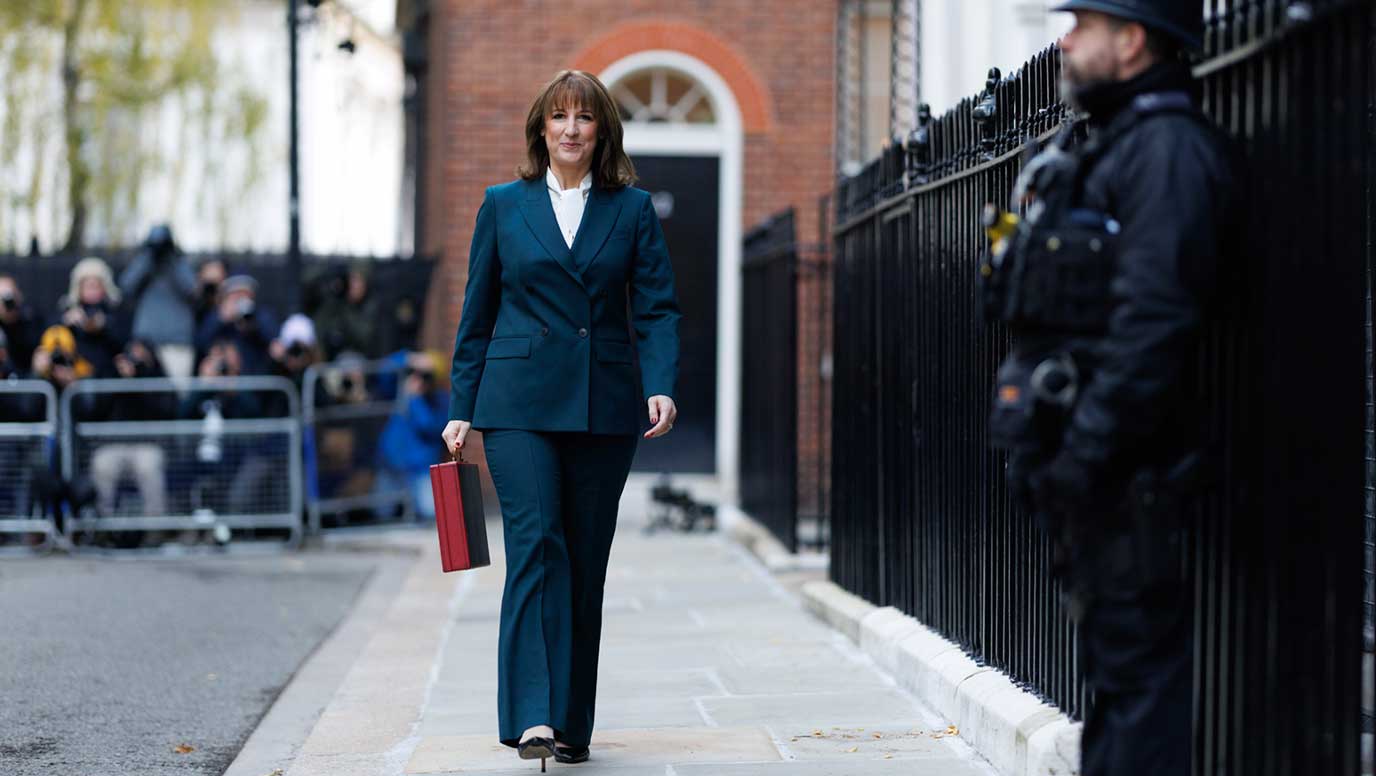
There had been considerable speculation and rumours circling of the possible policy changes leading into the budget. It is not unusual to witness some U-turns based on the strength of public opinion and concerns raised by professional bodies.
Backed into a corner and to avoid breaking manifesto pledges, the chancellor appears to have responded with a smorgasbord of budget announcements to fill the black hole in the treasury finances.
My overall reaction and assessment of this budget is neutral considering the prevailing geopolitical issues and precarious state of the public finances. It was welcome news that the OBR lifted its 2025 growth forecast from 1 per cent to 1.5 per cent and that as result of the budget, the Chancellor is looking to increase fiscal headroom to c£22bn.
As anticipated, tax thresholds for personal tax and employer National Insurance contributions (NIC) will be frozen for three years from 2028–29. Whilst extending the freeze in tax thresholds will reportedly raise significant extra tax for the Exchequer, this will also result in “fiscal drag” resulting in more people being caught by higher tax thresholds as salaries increase including more individuals being brought into the tax net.
There had been rumours abound regarding NIC being extended to rental income and employer’s NIC being applied to the profits of professional partnerships. The latter announcement was met with significant backlash from professionals including accountants and lawyers.
These unfavourable proposals were dropped, and the chancellor instead opted to increase tax rates on dividends, property, and savings income by 2 percentage points looking to a wider base to help fill the blackhole in the public finances.
Salary sacrifice into pensions will be capped at £2,000 per annum from April 2029. Contributions exceeding this limit will no-longer be exempt from NIC and could potentially impact a significant population of the workforce and those businesses currently operating salary sacrifice arrangements. This could prove counterproductive and harm pension savings.
The rumoured “Mansion tax” was introduced as a council tax surcharge applying from 2028 to properties valued over £2m. The new charge will start at £2,500 rising to £7,500 for properties valued over £5m. I expect this will signal the beginning of a revaluation of properties for the purposes of council tax bands.
The government announced electric Vehicle Excise Duty (eVED), a new mileage charge for electric and plug-in hybrid cars, which will take effect from April 2028.
The rate of eVED paid by electric vehicle drivers will be half the fuel duty rate paid by the average petrol/diesel driver. There will be no requirement to report where and when miles are driven, so there is no need for trackers in cars.
The main rate of corporation tax remains unchanged at 25 per cent and there was some minor tinkering with the capital allowances regime.
A £4.3bn business rates support package will cap business rate bill increases for sectors hit hardest by revaluations from April 2026. This includes permanent lower business rates for over 750,000 retail, hospitality and leisure properties, worth nearly £900m a year from April 2026.
Whilst no changes were made to the previously announced unpopular IHT changes, the freezing of IHT thresholds included a welcomed update that the £1m allowance for APR/BPR will now be transferrable between spouses and civil partners. This will not appease agricultural businesses who continue their protest against last year’s IHT changes.
Whilst certain stakeholders will be considered winners from this budget, including younger and lower paid workers and older savers, the tax burden has fallen on a broad demographic including middle and higher earners who may feel unfairly targeted by this latest round of tax increases.