




Young people and work in the age of AI explored at Form the Future annual conference
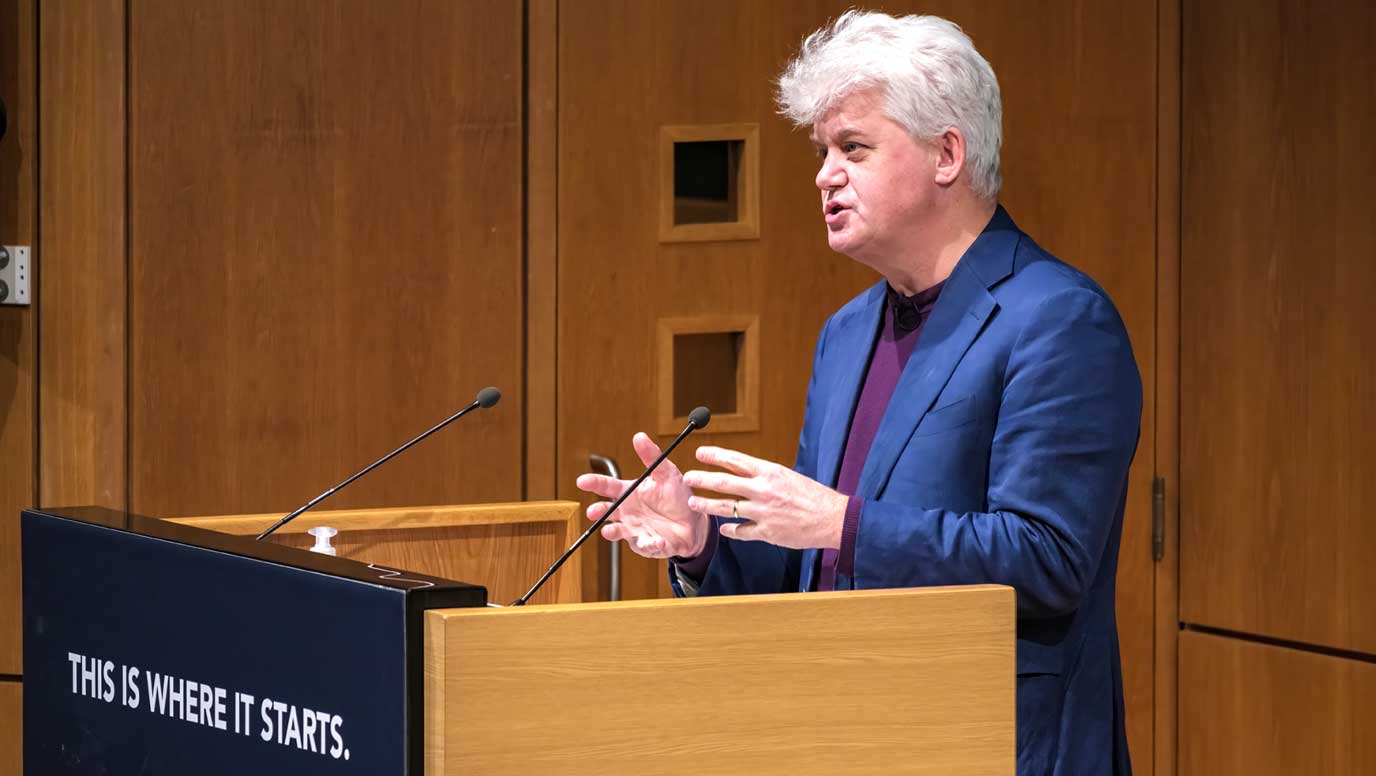
Form the Future welcomed educators, employers, policymakers, civic leaders and young people from across the region and beyond to the flagship event.
Themed “Young People and Work in the Age of AI”, the showpiece created a space for honest debate, shared learning and practical insight into how artificial intelligence is reshaping education, skills and early careers – and what this means for the next generation.
Professor Andy Neely, Chair of Innovate Cambridge and former Pro-Vice-Chancellor for Enterprise at the University of Cambridge, explored the growing sophistication of AI and the four main ways people are currently using generative tools: as sophisticated search engines, for content creation, as thought partners for reasoning and problem-solving, and as increasingly autonomous “thoughtful agents.”
His address emphasised the importance of focusing not just on technology, but on how people learn, adapt and build the skills needed to thrive alongside it.
Delegates were also treated to a second keynote delivered by Alex Zarifeh, Founder of ATLP Futures Readiness. In his provocative address, “September 2028: Far Too Late”, Alex challenged delegates to confront the urgency of reforming education and skills systems now, rather than relying on incremental change, highlighting the risks of delay and the scale of transformation required to prepare young people for an AI-enabled economy.
Throughout the day, speakers brought a wide range of perspectives on how AI is influencing work, learning and opportunity via panel discussions. Maria Luciana Axente, Founder and CEO of Responsible Intelligence, spoke about the importance of daily practice in using AI, rather than one-off training, and the need to prioritise critical thinking, problem solving and the human side of the AI-enabled future.
Andrea Wood highlighted the vital role of Careers Hubs in understanding how AI is changing work and ensuring this knowledge reaches schools and Careers Leads, while Deirdre Hughes emphasised the continued importance of human-led careers guidance alongside AI tools, arguing for curated technology with humans firmly in the loop.
Delegates also heard from Philip Colligan, Chief Executive of the Raspberry Pi Foundation, who spoke about the importance of AI literacy and computing education, and how empowering young people as creators – not just consumers – of technology is essential for building equitable futures.
Contributions from policymakers and civic leaders, including Pippa Heylings MP, highlighted the critical role of public policy in shaping fair access to skills, training and high-quality careers support as AI becomes increasingly embedded across society.
Anne Bailey, CEO and Co-Founder of Form the Future, said: “AI is moving at extraordinary pace, and young people will be most affected by how these changes play out. This conference brought together a uniquely diverse group of voices to move beyond hype and fear, and to focus on what we can do – practically and collaboratively – to ensure young people are prepared, supported and able to thrive in the age of AI.”
A standout moment of the conference was The Big Debate, chaired by Cllr Cameron Holloway, Leader of Cambridge City Council, and featuring members of Form the Future’s Youth Voices debating the motion, “We’re preparing young people for an AI-enabled workforce, rather than developing AI to replace them.”
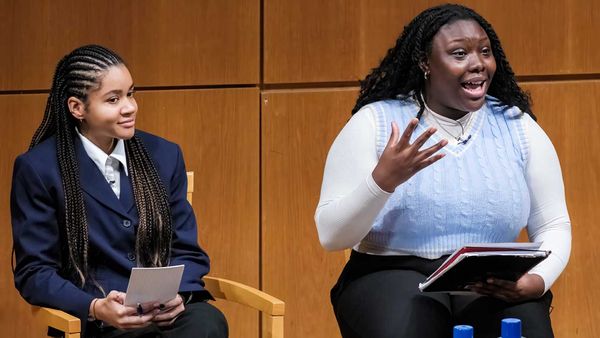
Arguing for the motion, Aishah Shabir, Employer Brand & Marketing Specialist at Arm, and Ayeisha Kone-Massouma, Apprentice Project Manager at Bidwells, described how young people are already using AI to support their learning.
They emphasised that AI does not replace learning but can act as a tool that supports understanding, focus and critical thinking. Ayeisha shared how she has used ChatGPT to help explain complex lecture content. They also highlighted AI’s potential to widen awareness of career pathways, support interview preparation and build confidence.
Speaking against the motion, Christina Dumitriu Jackson, Peptide Discovery Scientist at AstraZeneca, and Isabelle Coates, Technical Associate at the Sanger Institute, warned that without guidance, AI risks replacing effort rather than enhancing learning.
They raised concerns that AI could remove the entry-level and routine tasks that traditionally help young people build experience, thereby extending the gap into employment.
Alongside the main auditorium programme, attendees also took part in specialist sessions including an Essex University-led research presentation and a Careers Hub clinic, offering practical support for school leaders, careers professionals and employers around careers education, employer engagement and modern work experience.
Hollie Church, Regional Head Corporate Responsibility and Sustainability EMEA at Illumina, commented: “Form the Future’s 2026 Annual Conference was genuinely the best one yet. It’s incredible to see how it has evolved year on year, and the speaker line-up was fantastic, with so many thought-provoking stories about how AI will shape our future workforce and how we can further our impact in the community. It was also great to network and catch up with some familiar faces.”